8-30 April 2026
Botanical art has drawn me into the science and historical culture of plants. Botany is fascinating and emerging evidence suggests despite plants’ immobility, they are capable of responding quickly to external events and respond to maximise their chances to survive and reproduce. For example, when a plant is attacked by unwanted insects that chew leaves, it can send chemical signals to kin or the same species to warn them of the threat.
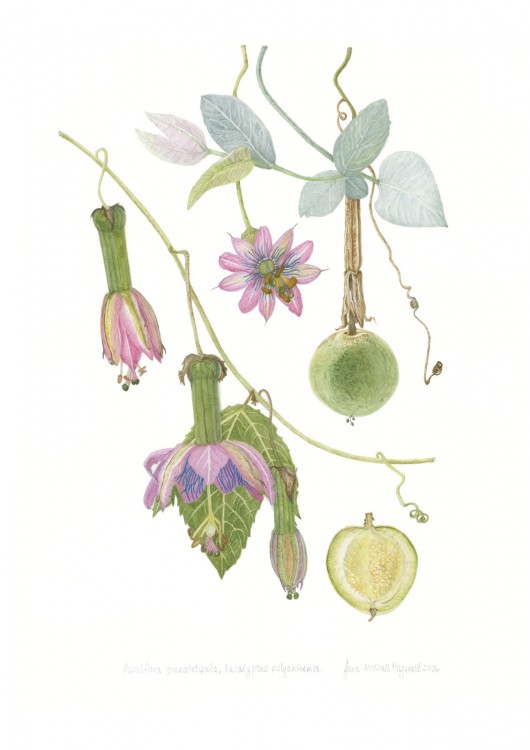
Similarly, a rare passionfruit plant in one of my paintings has a trick to encourage a preferred pollinator by changing the angle of the pollen bearing parts allowing it easier access to pollen and the sweet nectar while deterring other insect visitors. The skirt of blue filaments in the flower is thought to represent the crown of thorns placed on Jesus’ head.
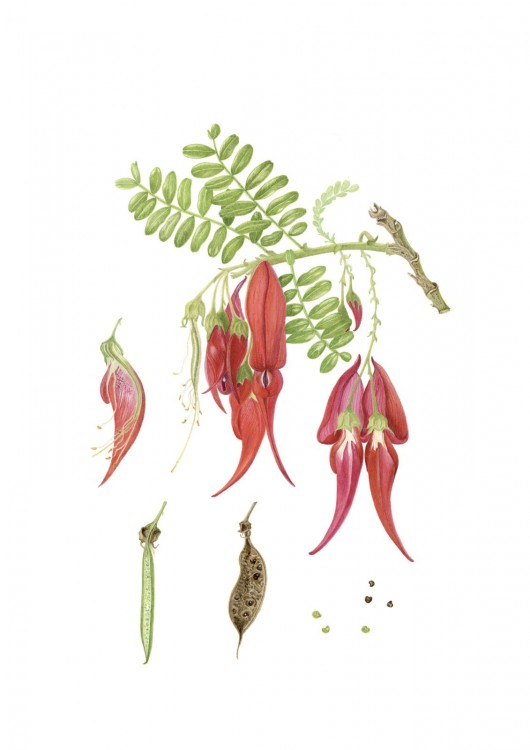
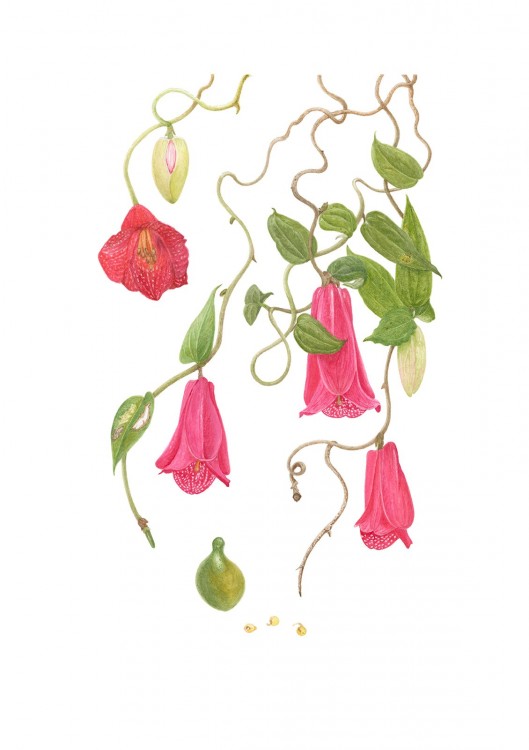
The painting of the Lapageria shows a small pod or fruit containing seeds that I found fallen on the ground under the vine. This was unusual given the absence of the hummingbird in NZ and confirmed by the garden curator who said seed pods were rarely seen. I wanted to paint this plant despite it being a very high climbing vine in the Botanical Gardens.
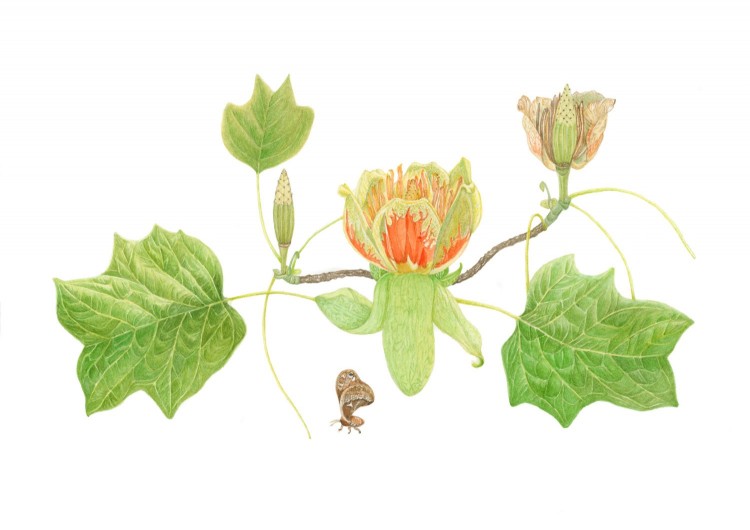
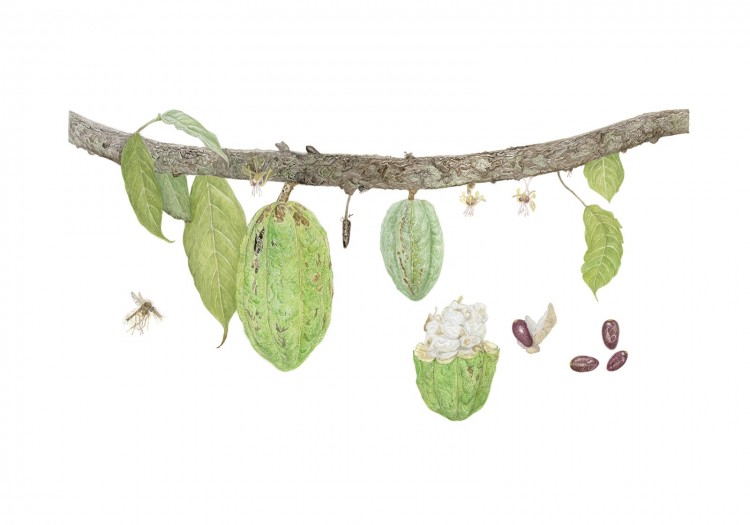
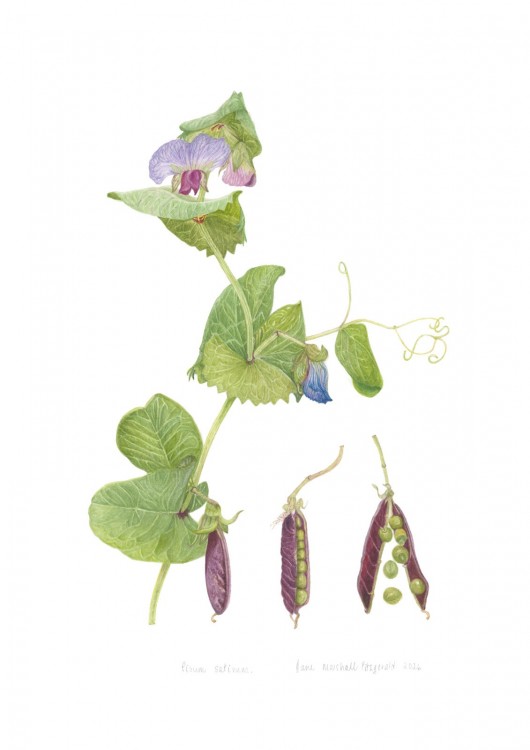
I try to capture plant life at each stage in my paintings, showing development and decay. This often involves looking at a plant over time in my own garden, by the roadside, or while travelling, where an unusual and often unknown plant, like the Tulip Tree, captures my attention.
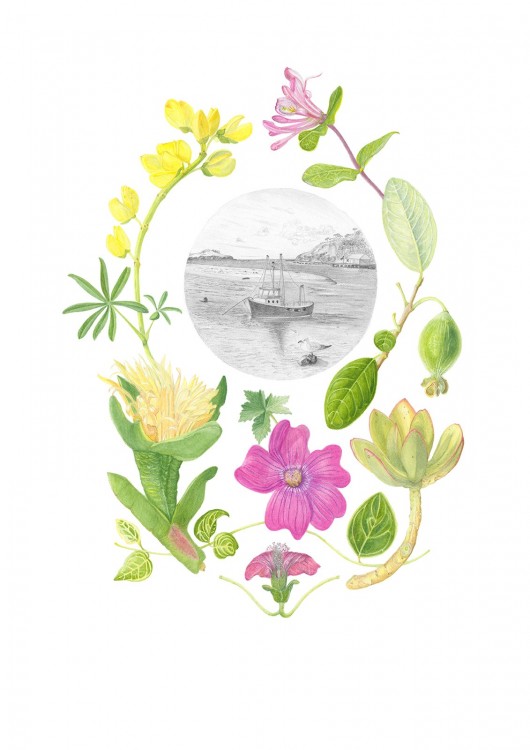
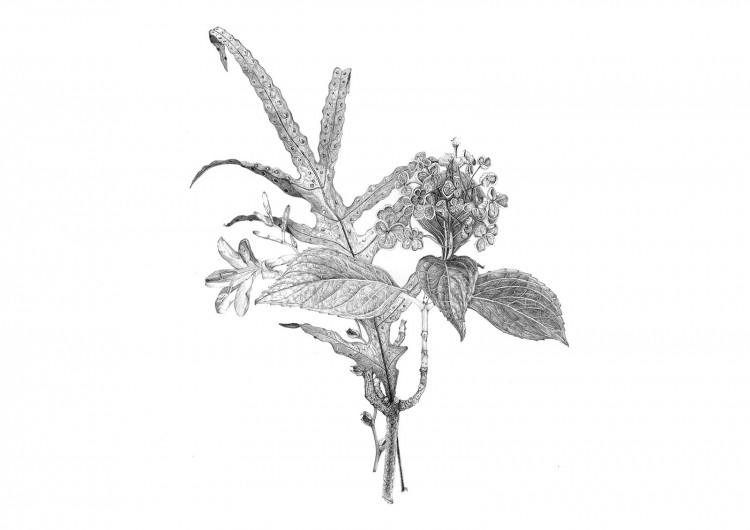
Finally, plants can be beautiful, edible, harmful, and sometimes strange. I am surprised and intrigued by their form and some of their responses. I enjoy using watercolours but also like drawing in ink and graphite, sometimes using stippling to emphasize line and form.